

Humidity, Light, and Water: The Winter Plant Survival Guide
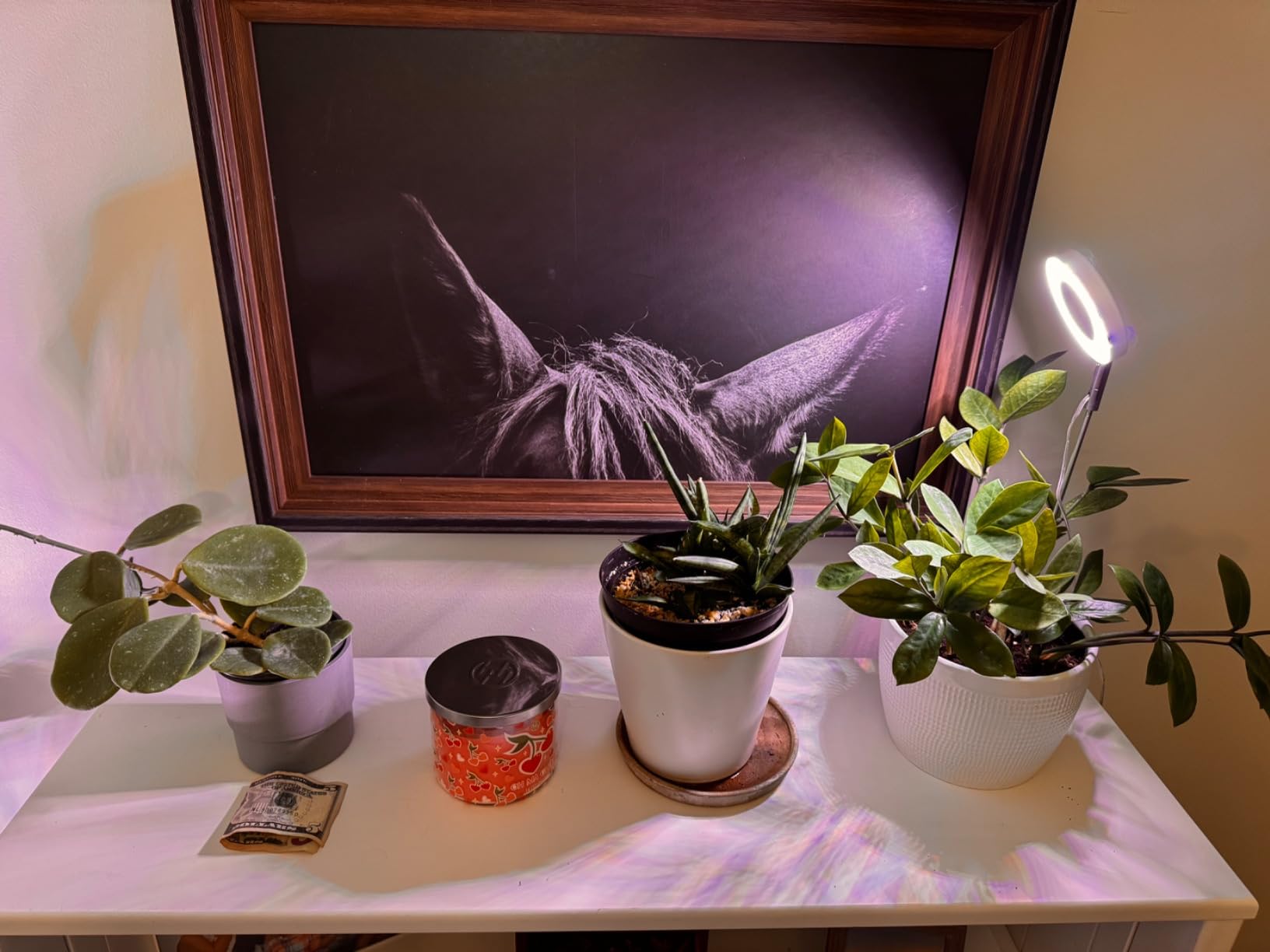
Winter brings short days, dry indoor air, and inconsistent temperatures — all of which can stress indoor plants.
But with the right balance of light, humidity, and watering, your plants can stay healthy throughout the cold season.
This guide will help you understand how to adjust plant care for winter conditions, especially when using grow lights.
🌞 1. Light: Compensating for Dark Winter Days
Winter sunlight is often too weak for indoor plants. They may become leggy, pale, or stop growing.
💡 Grow Light Tips:
-
Use a full-spectrum LED grow light to mimic natural daylight.
-
Set a timer for 10–14 hours of light per day, depending on the plant type.
-
Keep lights 8–16 inches above the plant canopy.
📌 Plants that benefit most from grow lights during winter:
-
Herbs (basil, mint, parsley)
-
Tropical plants (monstera, philodendron)
-
Succulents (aloe, jade plant)
-
Seedlings or propagation cuttings
Consistent lighting helps plants maintain energy and prevents winter dormancy.
💧 2. Watering: Less Frequent but More Controlled
Because plants grow slower in winter, they use less water. Overwatering is the #1 reason plants decline in cold months.
Signs you’re overwatering:
-
Yellowing leaves
-
Mushy stems
-
Fungus gnats
-
Mold on the soil surface
✔ Winter Watering Rule:
Water only when the top 1–2 inches of soil feel dry — not on a schedule.
💡 Tip:
If you’re unsure, wait one extra day before watering. Plants tolerate dryness better than soggy soil in winter.
🌬 3. Humidity: Keeping the Air Moist
Indoor heating reduces humidity, making the air too dry for most houseplants — especially tropical varieties.
Low humidity causes:
-
Brown, crispy leaf tips
-
Leaf drop
-
Increased pest problems
🌿 Ways to Increase Humidity:
-
Place plants together for a "humidity cluster" effect
-
Use a small humidifier
-
Set plants on a pebble tray with water (avoid submerged pots)
-
Mist humidity-loving plants (not succulents or cacti)
Ideal humidity range: 40–60%
🌡 4. Temperature Stability Matters
Plants dislike sudden temperature changes. Move them away from:
⚠️ Cold windows
⚠️ Drafty doors
⚠️ Radiators or heat vents
Most houseplants prefer 65–75°F (18–24°C) in winter.
🧽 5. Bonus: Cleaning & Maintenance
Winter is a good time to:
-
Clean dust off leaves (dust blocks light absorption)
-
Inspect for pests
-
Refresh potting soil top layer
-
Clean the grow light surface
Small maintenance steps make a big long-term difference.
🌱 Final Thoughts
Winter can be tricky for indoor gardening — but with the right approach, your plants won’t just survive, they’ll thrive.
By balancing light, humidity, and water, and using a grow light to support their needs, you’ll create a stable environment where your plants stay healthy and vibrant all season long.
