

Start Your Indoor Vegetable Garden Early with Grow Lights
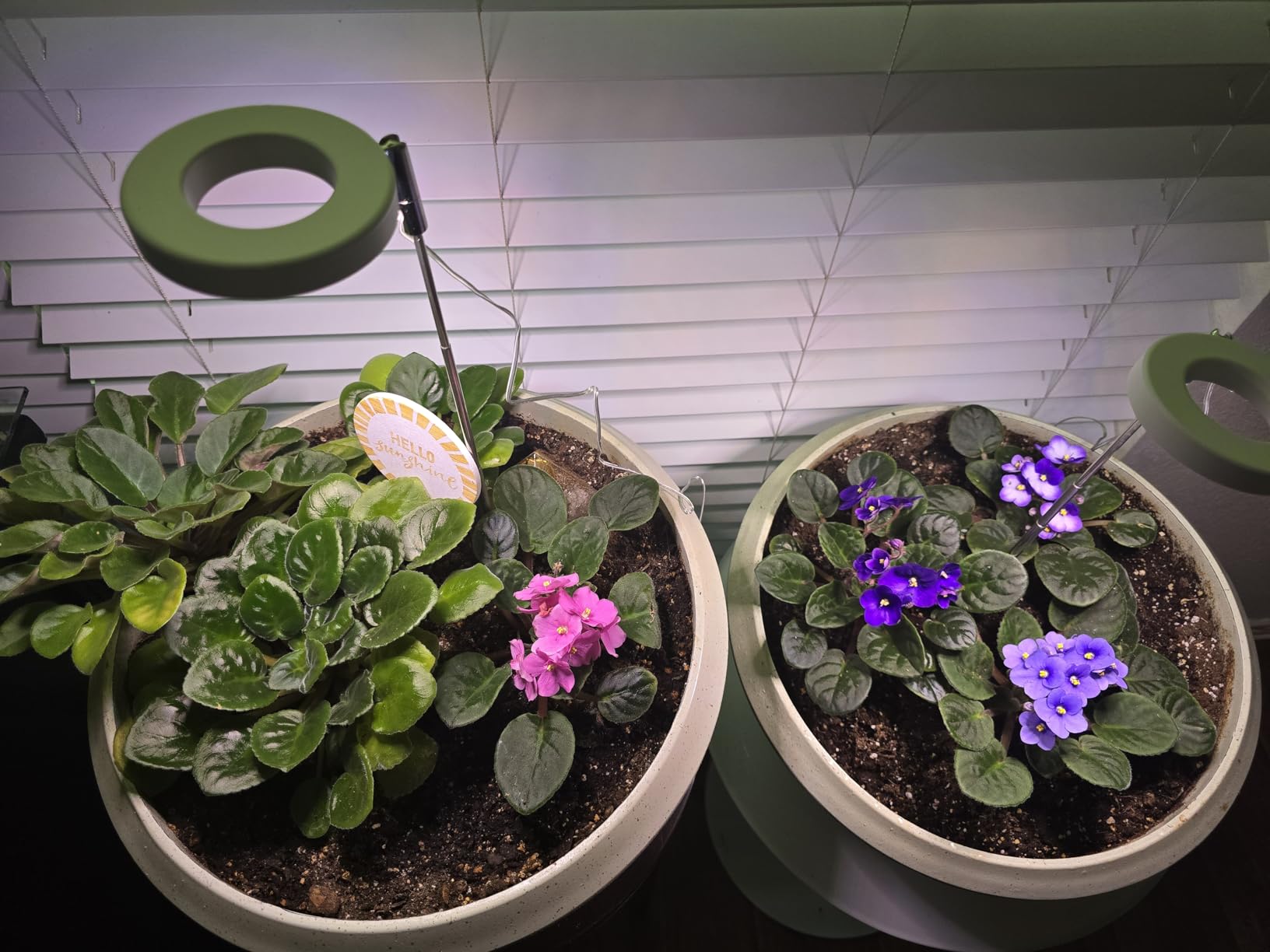
Even in the coldest months, you can get a head start on your vegetable garden indoors. With grow lights, you can germinate seeds, grow seedlings, and maintain edible greens—all without relying on short winter days. This allows you to transplant strong seedlings outdoors in spring or enjoy fresh veggies year-round indoors.
🌱 1. Choose Vegetables That Grow Well Indoors
Some vegetables are particularly well-suited for indoor winter growth:
| Vegetable | Light Needs | Tips |
|---|---|---|
| Lettuce | Medium | Quick-growing, harvest leaves continuously |
| Spinach | Medium | Prefers cooler indoor temperatures |
| Kale | Medium | Hardy, slow-growing but nutritious |
| Cherry Tomatoes | High | Needs plenty of light and support |
| Peppers | High | Warmth + light are key for fruiting |
💡 Tip: Start with leafy greens first—they’re fast, easy, and forgiving.
🌞 2. Set Up Your Grow Lights Correctly
Proper light is essential for strong seedlings:
-
Full-spectrum LED grow lights simulate natural sunlight
-
Place 8–12 inches above seedlings
-
Use a timer for 12–14 hours/day to mimic spring daylight
-
Adjust height as plants grow to prevent leggy stems
Consistent lighting ensures seedlings grow strong and healthy.
💧 3. Watering and Humidity for Seedlings
Seedlings are sensitive to overwatering:
-
Keep soil evenly moist, not soggy
-
Use a spray bottle for gentle watering
-
Maintain humidity at 50–70% until seedlings develop true leaves
💡 Tip: Cover young seedlings with a clear dome or plastic cover to retain moisture.
🪴 4. Fertilization and Nutrients
Young seedlings need light nutrients:
-
Use a diluted liquid fertilizer every 1–2 weeks
-
Avoid over-fertilizing, which can burn delicate roots
-
Grow lights enhance nutrient uptake and overall growth
🌿 5. Transplanting Tips
Once seedlings have 2–3 true leaves, they can be moved to larger pots:
-
Prepare nutrient-rich potting soil
-
Maintain consistent grow light exposure
-
Gradually acclimate to natural light if moving outdoors later
Transplanting indoors can also create space for new seedlings.
🌟 6. Bonus: Creative Indoor Veggie Displays
-
Use stacked planters or windowsill shelves for space efficiency
-
Combine herbs and leafy greens for a functional kitchen garden
-
Position grow lights aesthetically to brighten your indoor space
Indoor veggies can be both practical and visually appealing.
🌱 Final Thoughts
With grow lights and careful care, you can start vegetables early, maintain fresh greens, and enjoy indoor gardening even in the dead of winter. January is the perfect month to set the stage for a productive growing season, indoors or outdoors.
